 Over the past few weeks the media has given its readers a consistently slanted and inaccurate picture of the nature of privacy injunctions and the interests which they protect. The impact of this reporting on public opinion is hard to gauge. The constant false statements about “super-injunctions” and the insinuation that “rich celebrities” are seeking to hide systematic wrongdoing is bound to have some impact on public opinion. An attempt to assess the current state of public opinion on these issues was made last week by the “Independent”. On 1 June 2011 it reported the result of a “ComRes” opinion poll under the headline “Judges have gone too far with gagging orders, says British public“. Continue reading
The International Forum for Responsible Media Blog
Month: June 2011 (Page 4 of 4)
 In this regular feature we draw attention to the last week’s law and media news and next week’s upcoming events. If readers have any news or events which they would like to draw attention to please add them by way of comments on this post.
News
After the privacy and phone hacking frenzy of recent times this was a quiet week. There has been a pause for reflection by some of the participants. The Press Gazette reports that a tabloid editor has said that kiss and tell stories “are not worth the legal hassle and no longer sell well”. Continue reading
 Exactly a month ago, on 5 May 2011, Matthew Offord – the Conservative MP for Hendon – told a shocked House of Commons that one of their number was seeking one of those widely reviled “super-injunctions”. He reported a “rumour” that a Member of this place seeks a super-injunction to prevent discussion of their activities”. His intervention was widely reported: “MP takes out super injunction, another MP claims” (the Mirror), “MP granted super-injunction” (the Independent), “MP accused of hiding ‘own shame’ behind a super-injunction” (the Guardian). Continue reading
 During the first 5 months of 2011, we have had nearly 250 posts on Inforrm the usual range of topics – privacy, libel, media and international. Perhaps unsurprisingly, over the last 5 months the most viewed posts have been those relating to privacy, anonymisation and “super-injunctions”. Continue reading
 The current frenzied debate over the use of super-injunctions et al may be likened to the malign effect of the Tea Party movement across America and on the customary two-party tussle for political power over there. That movement is, on one view, dragging the entire political agenda off in one direction – a sharp lurch to the right – and yet, the same might be said in the UK with regard to the recent debate over super-injunctions – a debate presented either as one way of affording a useful remedy to those placed unfairly in the media spotlight or an undemocratic anti-free press increasing series of gagging orders thrown together by out of touch judges to protect a coterie of generally rich men who should have known better. Continue reading
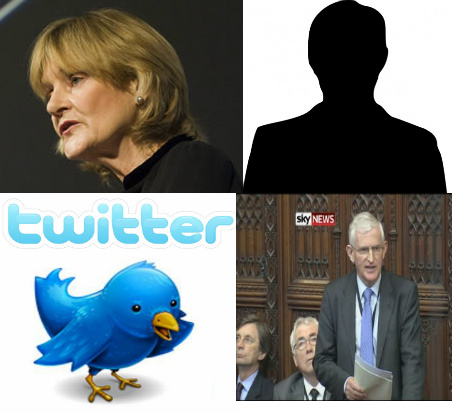 It may now be safe to say that the super-injunction media-frenzy has largely passed. But fresh from the ruins of the CTB injunction, the blame-game is well underway. Who is responsible for making a mockery of the rule of law and rendering privacy rights ridiculous? Who is responsible for seeking to extend privacy rights past their tipping point? Deciding who the culprits are depends very much upon your view-point and I am sure that there are those not in my list that you would wish to include. Lawful contributions are welcome. Continue reading
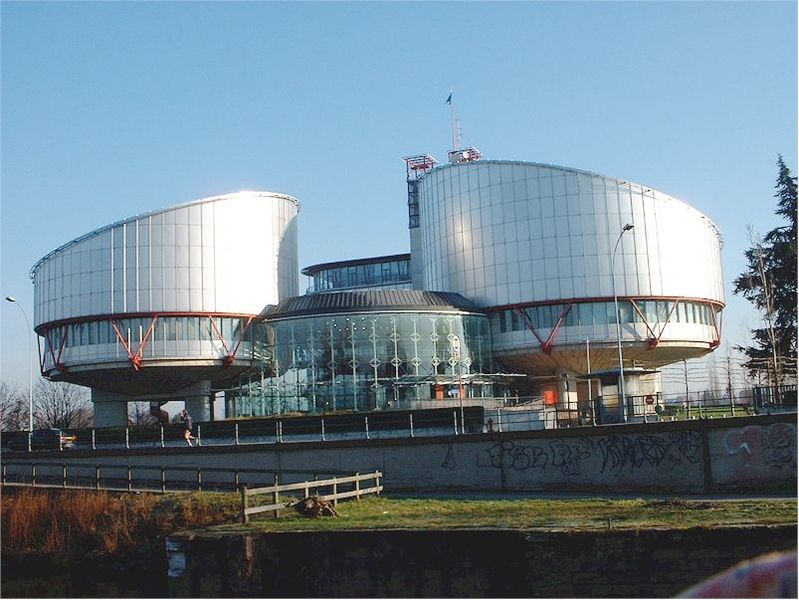 Max Mosley has asked the Court of Human Rights to refer his case to the Grand Chamber. On 10 May 2011, the Fourth Section of the Court rejected his arguments in favour of a pre-notification requirement in privacy cases (see our Case Comment). Mr Mosley’s solicitors, Collyer Bristow, have today announced that a request has been made under Rule 73 for a reference to the Grand Chamber. Continue reading
 The following question and answer are taken from the press conference at which the Neuberger Super Injunction Committee report was released
Andy Davies (Channel 4 News):
Do you have any idea of how many anonymised injunctions and super injunctions have been granted since 2000? Continue reading
 The last few weeks have seen a powerful campaign against privacy injunctions – and anonymity orders generally – by a broad coalition of media interests and social media users. Some of these campaigners have direct commercial interests in the continuing publication of “kiss n’ tell” stories whereas some just don’t like the idea of “gagging” of any kind. Continue reading

Recent Judgments

© 2026 Inforrm's Blog
Theme by Anders Norén — Up ↑