 Ofcom is investigating a fairness and privacy complaint from former BBC presenter Huw Edwards over Channel 5’s drama about his downfall, “Power: The Downfall of Huw Edwards.” The disgraced presenter said the programme gave a misleading and unfair account and that he did not have a fair chance to respond to alleged inaccuracies. Channel 5 will robustly defend the complaint, saying it drew on extensive interviews, text exchanges and court reporting. The Times, The Guardian, Daily Mail, GB News, HuffPost UK and Deadline covered the development. Continue reading
Inforrm's Blog
The International Forum for Responsible Media Blog
 Columbia Global Freedom of Expression seeks to contribute to the development of an integrated and progressive jurisprudence and understanding on freedom of expression and information around the world. It maintains an extensive database of international case law. This is its newsletter dealing with recent developments in the field. Continue reading
 On 13 October 2026, the European Court of Human Rights (ECtHR) handed down judgment in Duff and BBC Scotland v the United Kingdom 8562/19. The ECtHR found that the exclusion of BBC Scotland journalist Steven Duff from a closed hearing at Aberdeen Sheriff Court violated Article 10 of the European Convention on Human Rights. The Court also found a violation of Article 13, the right to an effective remedy. Continue reading
Columbia Global Freedom of Expression seeks to contribute to the development of an integrated and progressive jurisprudence and understanding on freedom of expression and information around the world. It maintains an extensive database of international case law. This is its newsletter dealing with recent developments in the field. Continue reading
 Thames Valley Police has accepted that the search warrants used to raid Andrew Mountbatten-Windsor’s homes in February were unlawful due to an error in the legal basis for issuing them. Continue reading
 The Michaelmas Legal Term began on Thursday 1 October 2026 and will run to Monday 21 December 2026. Continue reading

Reporter Akayla Gardner reports near the White House after being denied entry following President Donald Trump’s ban on CNN, MS NOW and Politico, Sept. 19, 2026. AP Photo/Jose Luis Magana
A federal judge ordered the Trump administration to temporarily restore journalists’ access to the White House on Sept. 24, 2026. As he had in a similar case in 2018, U.S. District Judge Timothy Kelly decided the revocation of the reporters’ press passes likely violated their Fifth Amendment right to due process. Continue reading
Columbia Global Freedom of Expression seeks to contribute to the development of an integrated and progressive jurisprudence and understanding on freedom of expression and information around the world. It maintains an extensive database of international case law. This is its newsletter dealing with recent developments in the field. Continue reading
Event: Press Justice Project, Women, Media and Justice: Challenging Misogyny, Changing the Narrative
 The Press Justice Project supports people affected by press abuse and campaigns for higher standards across journalism. On 13 October, it will be bringing that work into focus with an event looking at the ways women are treated by the media, as targets of discrimination in press coverage, and as journalists in the newsroom. Continue reading
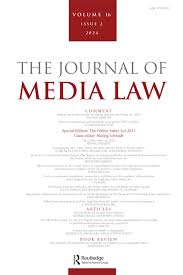 The Journal of Media Law has published a special issue on “Making Public Allegations: Media Law in its Social Context” (currently open access). The collection asks how media law can create settings which both protect due process and deserved reputation and allow truth-tellers to expose harm and warn other would-be victims. These issues are explored in a range of contexts and jurisdictions. Continue reading

Recent Judgments

© 2026 Inforrm's Blog
Theme by Anders Norén — Up ↑