 A journalist’s belief that they acted in the public interest by paying a public official for information does not protect them from the criminal law, a judge said on Friday when giving the jury legal directions in the Sun Six Trial. Continue reading
The International Forum for Responsible Media Blog
Tag: Public Interest (Page 3 of 4)
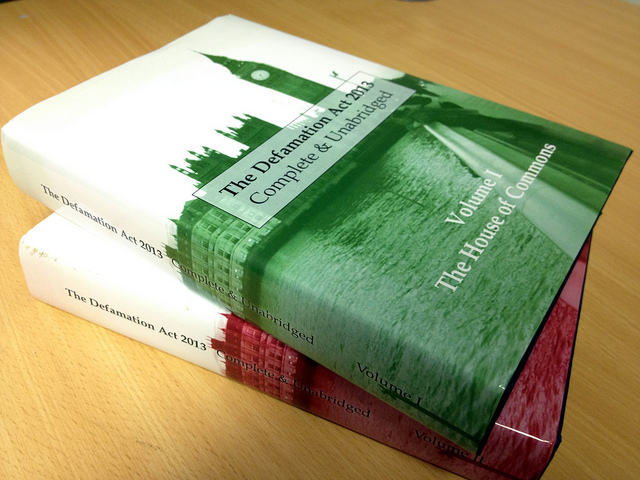 In earlier posts I have dealt with general concerns about the Defamation Act 2013, concerns about section 1, “Serious harm” and the new statutory defences of “truth” and “honest comment” in section 2 and section 3. In this post, I continue setting out concerns with the Defamation Act 2013 by looking at the public interest defence in section 4. Continue reading
 The Press Complaints Commission (“PCC”) rarely makes adjudications on complaints. Only seven have been published in 2014. Bearing in mind the fact that the PCC staff and procedures seem likely to be transferred wholesale to the successor body, IPSO, it is worth scrutinising adjudications with some care. Continue reading
 Over the past couple of months the tabloids, the broadsheets and the broadcasters have been entertaining us with “journalistic sting” stories. Politicians and celebrities have been caught out by fictitious lobbying companies and the “fake sheikh”. Continue reading
 Journalism in ‘the public interest’ is central to a healthy democracy but extremely hard to define and police. At present it has an ambiguous legal status; recognised by law but not enshrined in it. The ‘public interest’ is often (successfully) used as a defence by journalists for publishing stories or doing things which are technically illegal. Yet this protection relies on the discretion of judges and the CPS and is not underpinned in statute. Continue reading
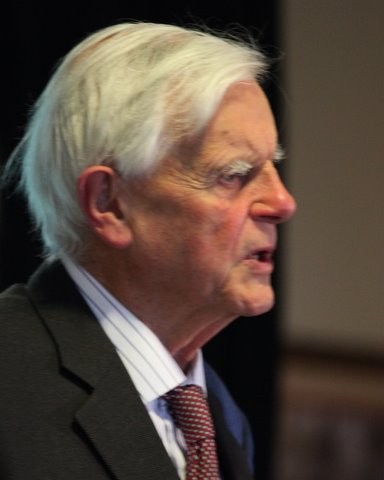 An interesting proposal has slipped quietly into the mix for consideration during the House of Lords Committee stage deliberations on the Defamation Bill. During the Second Reading debate, Lord Lester mooted a possible alternative to the clause 4 defence of responsible publication on a matter of public interest. The Joint Committee on Human Rights has pressed the Government on the desirability of the new alternative. In our view, the proposal – developed by Sir Brian Neill (pic) – offers an opportunity both to improve the operation of the existing common law defence and to ‘tidy up’ aspects of the existing Bill. Continue reading
 A new report shows that the public do not trust the ethics of tabloid newspapers and have strict views on “public interest” and illegal information gathering. It also shows strong public support for an independent regulator to decide issues of public interest. The report, Voicing the Public Interest: Listening to the public on press regulation was published on Monday 22 October 2012 by the Carnegie UK Trust. Continue reading
 Last month Inforrm had a case comment on the decision in which the High Court refused a privacy injunction because the former manager of the England football team was “undoubtedly a public figure”. As such, he belonged to “the category of those from whom the public could reasonably expect a higher standard of conduct”. This is an approach which has long been promoted by the tabloid press. But the independent evidence strongly suggests that it is not the public’s own view of the public interest. Continue reading
 On 13 September 2012 the Director of Public Prosecutions published final Guidelines for prosecutors on assessing the public interest in cases affecting the media. The guidelines set out the approach that the CPS will take to prosecutorial decisions that affect the media. In particular, they provide guidance to prosecutors on how to decide whether a prosecution is in the public interest. Continue reading
 So, finally, the “Sun” has come up with a public interest argument to justify writing about and publishing illegally taken photographs of a party in a private hotel room. Under the headline “We fight for press freedom” the “Sun” bootstraps for Britain – justifying its publication of private photographs by reference to the “debate” which it, and the rest of the media have generated. Continue reading

Recent Judgments

© 2026 Inforrm's Blog
Theme by Anders Norén — Up ↑