 Columbia Global Freedom of Expression seeks to contribute to the development of an integrated and progressive jurisprudence and understanding on freedom of expression and information around the world. It maintains an extensive database of international case law. This is its newsletter dealing with recent developments in the field.
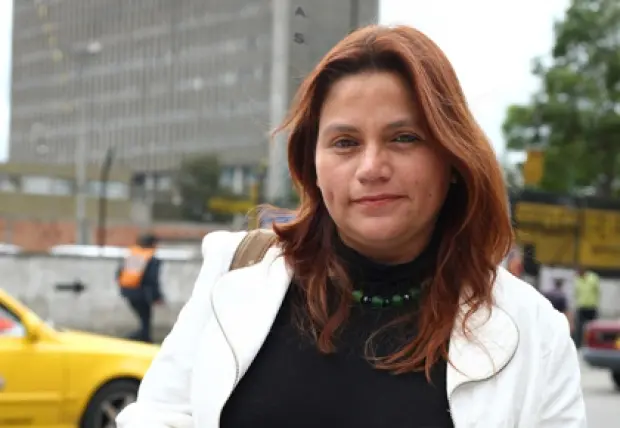
At CGFoE’s recent webinar on surveillance targeting journalists in Latin America, journalist and human rights defender Claudia Duque, who specializes in investigations on impunity, paramilitarism, violence, and armed conflict, spoke about crimes against the press. “We’re being spied on, we’re being attacked,” Duque said. “And while the purposes could be different, there is always this objective: interrupting the possibility for the world to learn about the reality that we are investigating.”
Every November 2, the International Day to End Impunity for Crimes Against Journalists, civil society repeats the many names of reporters threatened, surveilled, assaulted, or slain. Nearly all still await justice. Some of their cases span years: think of Regina Martínez Pérez, Daphne Caruana Galizia, or Shireen Abu Akleh, to name a few. Some are news of the past days: Álex Fernando Álvarez Vera shot in Ecuador, Mariana Rață threatened in Moldova, Miguel Ángel Beltrán found dead in Mexico.
“Nowhere is the crisis of impunity more evident than in Gaza,” the International Press Institute states, referring to the precedent as “a dangerous breakdown of international law” with at least 235 journalists killed by Israeli forces since October 7, 2023. In response to the deadliest 3 years for members of the media on record, the Committee to Protect Journalists calls for radical reform in fighting impunity and advocates for the establishment of a standing independent international investigative task force.
Too often, technology facilitates violence against journalists. IFEX shows the grave role of online disinformation in the cases of John-Allan Namu (Kenya), Leonardo Vicente “Cong” Corrales (the Philippines), and Anas Al-Sharif (Gaza). Highlighting online gender-based violence against women journalists, ARTICLE 19 urges states and companies to uphold their responsibilities under international human rights law.
CGFoE’s Special Collection Paper on Violence Against Journalists outlines states’ human rights obligations in ending impunity for crimes against the press, including the positive duty to take preventive action. “I, unfortunately, understood that impunity is the strategy of the state […],” Claudia Duque said at our webinar, discussing the surveillance of journalists as a structural issue in Latin America. “There are people who are committed to keeping these cases unpunished.”

At CGFoE’s recent webinar, journalist and human rights defender Claudia Duque discussed the persecution and surveillance of journalists as a structural and widespread issue in Latin America: “We’re being spied on, we’re being attacked. And while the purposes could be different, there is always this objective: interrupting the possibility for the world to learn about the reality that we are investigating.”
To learn more, watch the recording in the original Spanish or the English translation.
Photo credit: pen.org.

United Kingdom
Booth v. Daily Mail
July 10, 2025
The Independent Press Standards Organisation (IPSO), the regulator for the UK print and digital news industry, determined that a national newspaper breached its duty of accuracy in reporting by publishing a significantly inaccurate headline. The case concerned an article which claimed that “one in 12” people in London was an “illegal immigrant,” a figure derived from another publication’s report. The Committee found that the newspaper failed to take due care because the population data and migrant estimates within its own article did not mathematically support the “one in 12” claim. It determined the inaccuracy was significant due to the topic’s social and political implications. Nevertheless, the regulator found that the newspaper’s prompt removal of the article and publication of a correction satisfied the standards of remedial action.
Canada
Rainbow Alliance Dryden et al v. Webster and Crichton et al v. Webster
February 20, 2025
The Ontario Superior Court of Justice granted summary judgment against a social media commentator for defaming the 2SLGBTQIA+ community and drag performers, finding his posts constituted serious, defamatory accusations of paedophilia. The case involved Facebook posts that used the term “groomer” in connection with all-ages drag events. The Court held that these statements were defamatory and, as they would be understood by a reasonable person to be false allegations of criminal sexual conduct, thereby severely damaging the plaintiffs’ reputations and fostering disinformation and hate against a vulnerable community. It systematically rejected the defendant’s “fair comment” defence, ruling that his rhetoric was not a matter of public interest but constituted hate speech, was not based on fact, and was published with actual malice. The Court awarded substantial general and aggravated damages to compensate the plaintiffs and to denounce the defendant’s malicious and high-handed conduct.
Brazil
The Case of the Brazil Fake News Inquiry – 2
May 2, 2023
In the context of an existing “Fake News Inquiry,” the Brazilian Supreme Court examined coordinated campaigns by Google, Meta, Spotify, and Brasil Paralelo against a legislative proposal to regulate online platforms that the companies promoted as the “Censorship Bill.” The Court found evidence of abuse of economic power and illicit contribution to disinformation networks, ordering removal of the material, disclosure of advertising and algorithmic practices, adoption of preventive measures, and testimony of company executives before the Federal Police. The order imposed financial penalties for noncompliance, demanded transparency from the platforms, and integrated the case into the broader investigation into coordinated disinformation efforts threatening democratic institutions.

● Indonesia: Threats to Free Speech Continue as Country Prepares to Adopt New Criminal Code. TrialWatch of the Clooney Foundation for Justice and the Institute for Criminal Justice Reform (ICJR) find that Indonesia’s Electronic Information and Transactions Law has been abused to stifle freedom of expression. Their study draws from 73 cases and argues that despite the 2021 adoption of the Joint Decree meant to curb abusive litigation, the authorities continued to prosecute journalists, human rights defenders, and other citizens under the law’s cyberdefamation and hate speech provisions. With Indonesia’s new Criminal Code coming into effect soon, TrialWatch and ICJR call for “clear, enforceable guidelines,” as well as revisions of the Code in line with international standards and recent decisions by the country’s Constitutional Court.
● Brazil: City Bar Expresses Concern over Actions Undermining Judicial Independence. The New York City Bar Association urges the US government to immediately reverse its actions that breach international standards on judicial independence and undermine Brazil’s sovereignty and rule of law. In a recent statement, to which the Cyrus R. Vance Center for International Justice contributed, the City Bar lists such US-imposed measures as visa restrictions, sanctions, and an increase in tariffs in retaliation for Brazilian court decisions concerning former President Jair Bolsonaro. The City Bar warns “that punitive actions against Brazilian judges may set a troubling precedent, fostering international political pressure that […] discourages judges from handling politically sensitive cases.”
● ACHPR: On the Human Rights Situation in the United Republic of Tanzania. Amidst reports of hundreds of people dead in the post-election unrest in Tanzania, the African Commission on Human and Peoples’ Rights (ACHPR) addresses the authorities: descalate, refrain from the excessive use of force, and protect peaceful demostrators. The country’s widespread protests – following the October 29 election, which, according to Tanzania’s electoral body, the incumbent president won with 97.66% of the vote – were met with live ammunition, tear gas, arrests, and detentions. The ACHPR stresses that the nationwide internet shutdown has obstructed the process of confirming the number of deaths and injuries. (A representative of Tanzania’s main opposition party told Human Rights Watch that up to 1,000 people have been killed nationwide.)

This section of the newsletter features teaching materials focused on global freedom of expression which are newly uploaded on Freedom of Expression Without Frontiers
● Safeguarding Media Freedom in the Age of Big Tech Platforms and AI, by Anya Schiffrin, Bojana Kostic, Iva Nenadic, Julia Haas, Natali Helberger, and Max van Drunen. This policy manual, published by the Office of the OSCE Representative for Freedom of the Media, focuses on the erosion of media freedom in today’s digital information ecosystem dominated by social media platforms, search engines, and AI companies. Based on consultations with more than 150 prominent experts in the fields of the media, civil society, policy-making, and academia, the manual offers mitigation measures and recommendations to States in three broad areas: 1) visibility – promotion of independent and public interest journalism, with robust safeguards; 2) viability – “fair remuneration, including news media bargaining codes and digital levies”; and 3) vigilance – preventing online violence against journalists.

● Killing the Journalist Won’t Kill the Story: A Special Edition by Society and Forbidden Stories. News magazine Society and investigative project Forbidden Stories are collaborating on a special 100-page issue dedicated to the investigations that some have tried to interrupt: Russian torture chambers in Ukraine and Russia, the targeted killing of Gaza journalists by Israel, and the crimes of gangs in Haiti, among others. Each story carries on the reporting of journalists murdered, jailed, or threatened. The issue will appear in newsstands and online on December 11. Pre-order it now.
● Disclosure: A Podcast About the Fight for Government Records. Bloomberg’s new podcast “Disclosure” dives into Freedom of Information Act (FOIA) requests. Co-hosted by investigative reporter Jason Leopold and First Amendment lawyer Matt Topic, the show takes listeners inside the pursuit of US government records, including the FOIA lawsuits that have been filed in the process and the “document dumps that made it all worth it.” New episodes are out every Tuesday. Learn more here.
This newsletter is reproduced with the permission of Global Freedom of Expression. For an archive of previous newsletters, see here.


Leave a Reply