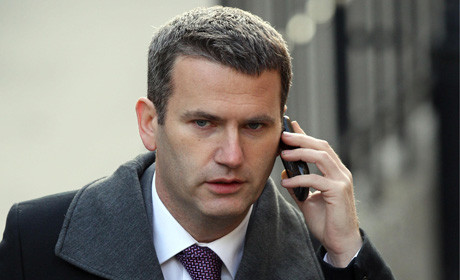
 An order for trial by judge alone has been made in the libel claim brought by solicitor Mark Lewis against the Metropolitan Police arising out of an email which, it is alleged, accuses him of lying to the Select Committee. Continue reading
The International Forum for Responsible Media Blog
Month: May 2012 (Page 2 of 6)
 Andrew Gunston was a policeman in Tasmania, having joined the Force in 1982. On the night of 12 October 2001, while off duty, he went to the Queenstown’s Empire Hotel for a drink. Or a few drinks. And a game of pool. And a meeting with a lady who he had known for some months. Who he played pool with. And won. Then after midnight, he went with the lady into a dark, little used room and they had a very nice time. Continue reading
 An opinion poll commissioned by the think tank IPPR suggests that more than 60% of the public now favour statutory regulation of the press. A total of 94% of those favouring regulation (77% of the sample) thought the regulation should be “fairly strict” or “very strict”. Continue reading
 Media groups in Northern Ireland have welcomed two recent High Court decisions relating to an application by a newspaper to set aside an anonymity order. The application was brought by Sunday Newspapers Limited to review and to set aside an anonymity order initially granted in 2008 to the present respondent who was known as JR20 in respect of an application for leave to apply for Judicial Review. Continue reading
 An unusual action for libel based on a cartoon depicting two politicians was dismissed on 10 May 2012 by the Royal Court of Jersey. Sir Charles Gray, sitting as a Commissioner, with two Jurats (of which, more later), entered judgment for the plaintiffs on the basis that the cartoon was not defamatory (Pitman v Jersey Evening Post [2012] JRC 92). Continue reading
 This has been a challenging year for the media in Australia, with traditional business models thrown into turmoil by new media platforms. There was little cheer for the media on the legal side, either.
While there were not too many defamation claims that went to judgment in the last 12 months, the media did not do too well. Continue reading
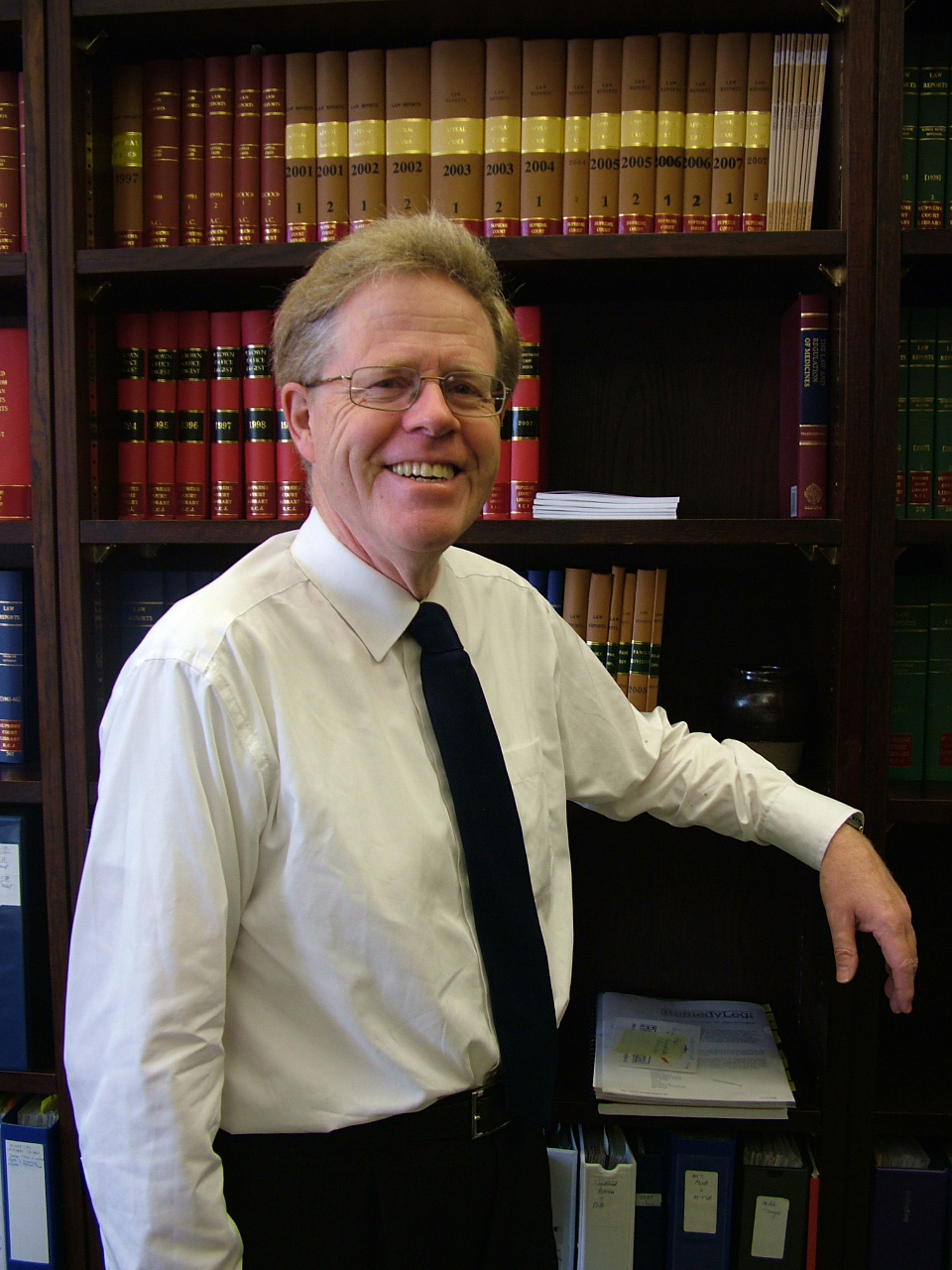 On 16 May 2012 the Senior Costs Judge gave judgment in a defamation case that has important implications for the future management of costs in defamation cases – and, quite possibly, costs budgeting schemes generally: Sylvia Henry v News Group Newspapers ([2012] EWHC 90218 (Costs)).
It is an unfortunate feature of defamation proceedings that more time may be spent arguing about legal costs than about the merits of the case. The costs of litigating are indeed frequently greater – far greater – than the damages the claimant gets to compensate him for the libel.
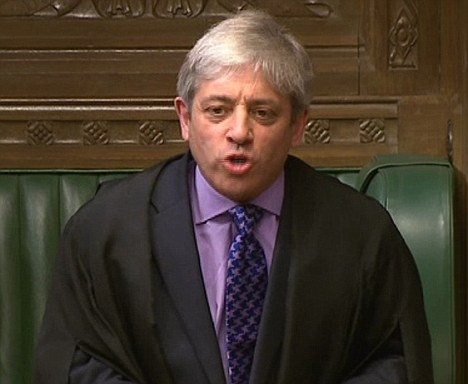 It has been announced by the Speaker that MPs will debate the findings of the Select Committee Report into phone hacking “at the beginning of public business” tomorrow (Tuesday 22 May 2012). In other words, the debate will take place after question time and any statements to the House. Continue reading
 Module three of the Leveson Inquiry is now underway, examining the relationship between press and politicians. Jack Straw, Lord Wakeham, Alastair Campbell and Sir Harold Evans were among the witnesses during the Inquiry’s 19th week, as Natalie Peck summarised here. Continue reading
 Court orders forcing news organisations to hand over footage of protests to police are rightly controversial. Understandably, those featured are not keen on them; more contentious is the way that they more generally cast the neutrality of the media in doubt. The access which the TV news enjoys to protests is endangered by a sense that what they film is potentially police evidence as well as the public record. Continue reading

Recent Judgments

© 2026 Inforrm's Blog
Theme by Anders Norén — Up ↑