

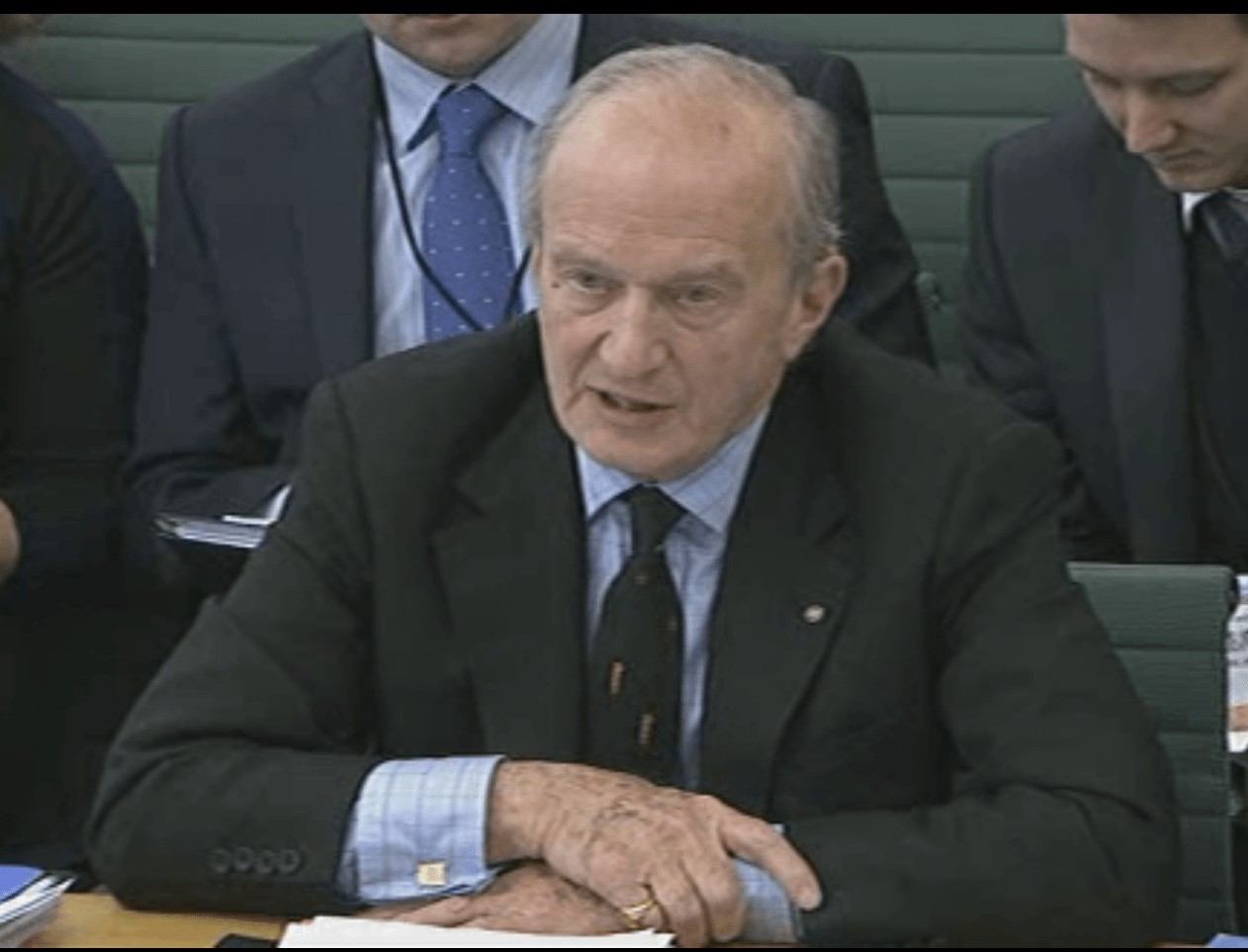
The first part of the session featured two witnesses from the Press Complaints Commission (“PCC”): Lord Hunt of Wirral MBE, Chair, and Michael McManus, Executive Director (Transition).
Lord Hunt told the committee that the IPSO had been established as a community interest company subject to independent, external scrutiny and with a chairman appointed through an independent process. He claimed that it was “fully in accordance with the Leveson principles” and he said that more than 90% of the newspaper industry, magazine companies, and the overwhelming majority of local press had already signed contracts. It would become operational on 1 May 2014, said Hunt, and the PCC would come to an end on 30 April 2014. Lord Hunt promised to provide the committee with the names of those who had signed contracts.
The highlights of this at times heated questioning of these witnesses by members of the committee were:
- The PCC was criticised for failing to publish a ‘league table’ of the worst and least offending newspaper titles during the last 12 months, with the Committee concerned that statistics about press complaints were not available in an easily digestible public format. The witnesses said that any member of the public who wanted that information could do the analysis themselves. even though it takes several hours. Mr McManus promised to provide the committee with a tally of complaints per newspaper for the last few years.
- Lord Hunt confirmed that the same complaints staff working at the PCC could subsequently go on to work at IPSO.
- It was revealed that Lord Hunt earned £180,000 per annum for a three-day week as Chair of the PCC that had been in ‘transition’ for at least two years – paid for by the industry body – the Press Board of Finance. Lord Hunt refused to rule himself out of the running for the Chair of IPSO position. Several MPs on the committee – including Leveson critic, Tory MP Conor Burns – asked how the public would trust a new regulator with the same staff and leadership as the old discredited PCC.
- Despite claiming that he had rebutted “on many occasions” the Media Standards Trust analysis published in November 2013 showing that IPSO failed to meet the recommendations of Lord Justice Leveson, Lord Hunt was unable to point to any published, public rebuttal available for public scrutiny or any correspondence. Lord Hunt also stated several times that the MST analysis compared IPSO to the Royal charter when in fact the MST analysis is clearly a comparison with Leveson.
- Lord Hunt said several times that Leveson’s system did not include recommendations that a self-regulator seek recognition from the independent Recognition Panel. He was accused by Ben Bradshaw MP of ignoring several of Leveson’s recommendations and seeking to conflate the possible need for Ofcom as a “back-stop regulator”, which Leveson said he hoped would not be necessary, with the need for a recognition process established by statute.
- Some members of the Committee were concerned that the IPSO appointments process was “utterly non-compliant” with Leveson’s recommendations – by not having a substantial independent majority and allowing “industry representatives” a veto.
The other witness who gave evidence yesterday was Jonathan Heawood, the Founding Director of the Impress Project.
He began by saying that IPSO was “not the only show in town”. He said that the Leveson recommendations offered an excellent solution midway between direct state regulation and absolutist self-regulation. When it became clear that the press were not going to respond in good faith the Impress Project was conceived. One outcome would be IPSO moving to compliance with Leveson as distilled in the Royal Charter. Another would be that IPSO and Impress worked together; another would be that Impress became the regulator. He said that the National Union of Journalists had endorsed the Project and he noted that the Financial Times, the Guardian and the Independent had not signed up to IPSO. He acknowledged that the Project was at an early stage.
Mr Heawood described Impress’ relationship with Hacked Off as “amicable”, but denied that this would prevent the industry from seriously engaging with Impress.
In response to a question from the Chair of the Committee, Mr Heawood said that it was not certain that Impress would apply for recognition but would seek to be recognisable. He said that recognition would only be pursued if there could be safeguards in relation to triggering the Charter’s incentives.
Mr Heawood said that Impress would seek primarily to protect press freedom,and was committed to there being access to arbitration. He confirmed that it would be politically indpendent, would consult on a Code and would have journalists on the Board.
The Committee were told that Impress would have the power to direct corrections, change stories post-publication, impose fines, and to aware compensation through the arbitrator but that it would not force publishers to apologise.